Everything about Super Time Force Ultra (STFU) is be taken with a dash of fun, from the combat, to the setting, to the dialogue from Commander Repeatski.
So anime, much moe. (Why is his mid-drift showing?)
Azure Strike Gunvolt is a redesign of classic Megaman X style gameplay with an evolved sense of difficulty. The bosses are varied and difficult, with is no “preferred kill-order” because power-ups from bosses don’t equate to weakness for later bosses. The platforming is well designed and the new battle mechanic is quite unique, but can get repetitive. What all of this means, I’ll get into in a bit.
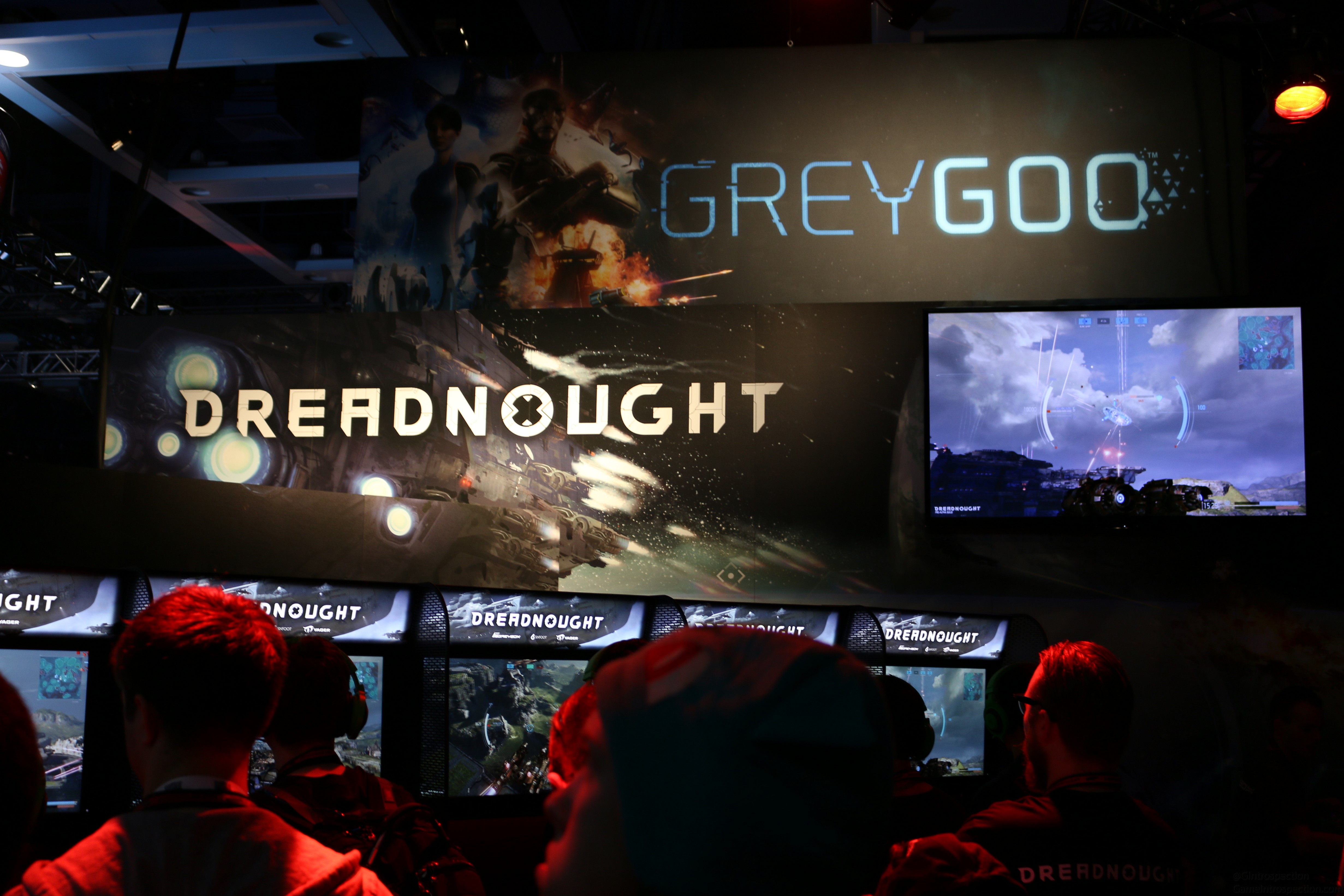
The boring stuff: Dreadnought is an online-multiplayer starship arena game for PC, blah blah blah.
The interesting: The pacing for Dreadnought is much different than traditional online-multiplayer games. You have your fast-paced and hectic, aka Call of Duty; you’re always running and scoping out the next area while calling in for backup, aka Battlefield and Counter-Strike; or you’re always running from place to place to find the next person to force-feed bullets aka Halo. Dreadnought, however, fluctuates considerably while playing. Because you’re controlling such colossal ships, it’s not like you won’t be spotted from time to time, but the stages are massive enough that you aren’t constantly in a struggle against a constant barrage of laser fire.
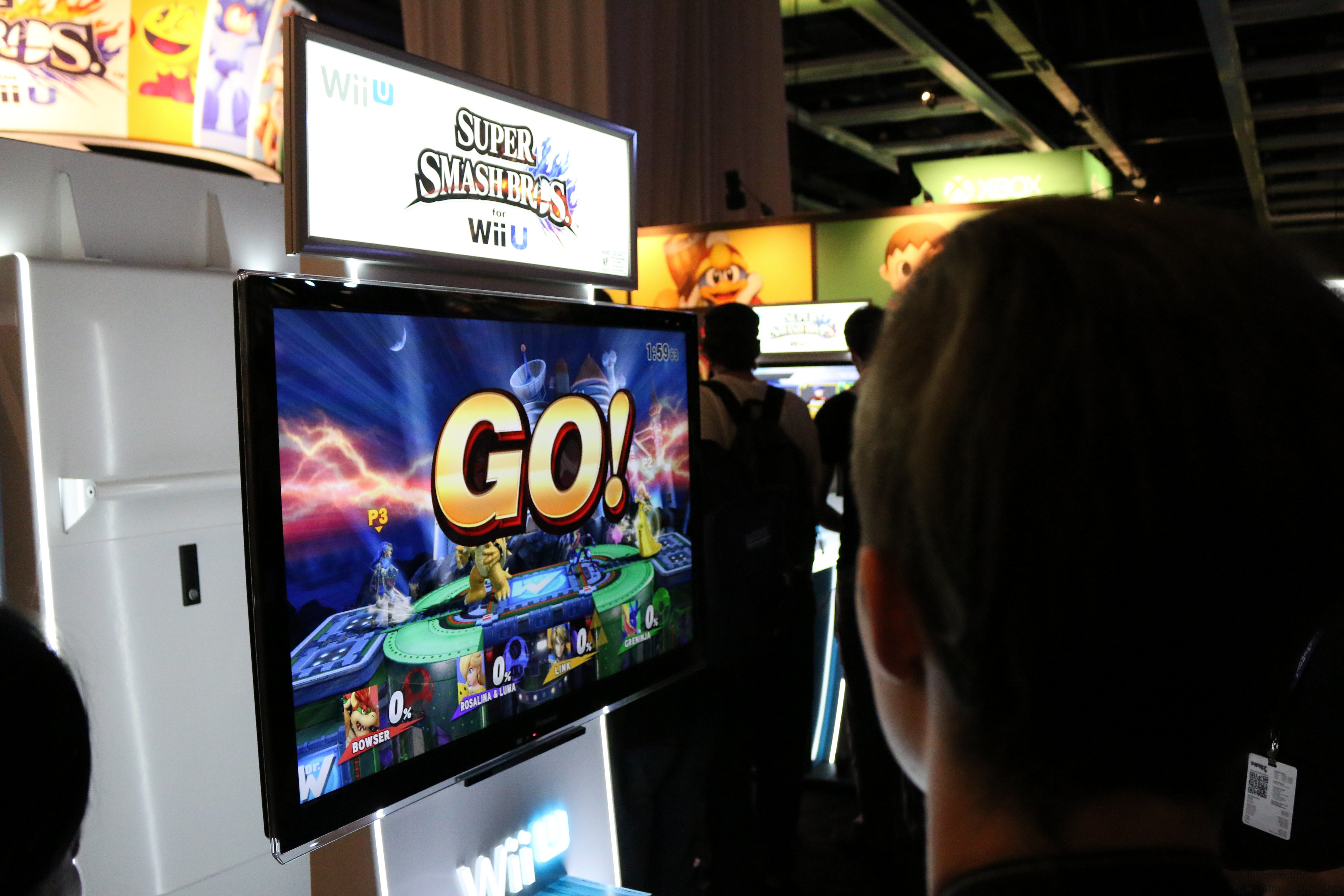
The Wii U version of Super Smash Bros was fine. If you’ve played any other version of Smash Bros’s Free-For-All, than you know exactly what to expect. On a side note, Wii-Fit Trainer is pretty strong.
Super Smash Bros WiiU
The 3DS Version of the game, however, was a mixed bag. There were two kinds of stations, the Free-For-All station and the Smash-Run Station. I opted for the Smash-Run station to try my hand at something different… (SO MUCH WAITING) After each demo ran for about 6 minutes, with 3 people in line per station, and what you get is a timed labyrinth with enemies akin to those found in Subspace Emissary from Super Smash Bros Brawl where you collected stat-increases to help you fight in a Free-For-All against the CPU after the labryinth section was complete. It helped that I picked a fast character so I can at least have mobility on my side and explore the maze as much as I could in the 5 minutes alloted, but with a slow character this game mode feels opposite the pace of what Smash Bros is used to. Multiplayer smash bros is a game of high-intensity, fluid, frantic, fun but this game mode is anything but that. I don’t want to say it’s as bad as how Sonic turned itself into, because they made A LOT of strange design changes to get that to happen. But, Smash-Run is definitely not as enjoyable as the FFA modes because the mechanics of the characters aren’t designed for exploring and traversing, but for combat with a character in front of you. Guilty Gear tried designing the same explore+beat-em-up in GG:Isuka and that mode was pretty garbage as well, but they also understood that exploration was going to be slow and limited. We’ll have to see when the game gets dropped later in October 2014.
I think it’s just a difference in who is attending, but there is a different energy around events like PAX compared to events like E3. PAX has a much larger gamer attendance than the heavy industry-centric E3 and with the lack of stability around the gaming industry lately, it has affected the mood of everyone going.
Yum yum in my thumb thumb.
Everyone going still gets excited for the games that are announced and we are eagerly waiting to get our hands on the next potentially great game, but there used to be an extra energy from just being there. I’ve only been around PAX for a few hours already, but the difference in climate across attendees is much more noticeable than in years prior. Everyone isn’t just excited to playtest something that isn’t even out yet, or to just meet some of their favorite gaming personalities, but they are genuinely excited to be here in Seattle and attending PAX.
After watching a few streamers play through Five Nights at Freddy’s it reminded me that the player’s agency, their ability to control their actions to elicit outcomes, is extremely important to create a consonance (harmony) between the player and the game. And it is when that agency is reduced or limited is when cognitive dissonance sets in. You’re playing a game and you aren’t jiving with it. The actions that you want to do and the reactions that you’re getting on screen aren’t connecting. In psychological terms, you have multiple mental beliefs that are conflicting with one another causing discomfort – cognitive dissonance. The actions that you want to do and the actions that you’re allowed to do are in conflict, causing the anxiety and discomfort. But in a game like Five Nights at Freddy’s (FNAF) or any other suspense game designed to instill paranoia and anxiety, it’s the lack of agency that helps to inspire these emotions.
We can always look back on games the past games like Resident Evil where Jill Valentine moved like a Old 70s Buick, or Panzer Artillery Tank, which actually worked as a benefit to the game. The lack of mobility took away any agility that we could have had and made even the slightest danger – zombie, hound, Lisa Trevor – much more tension-rising than normal because we knew maneuvering pass them was a chore and a half.
This isn’t entirely accurate. The character in the image can probably control better than Jill.
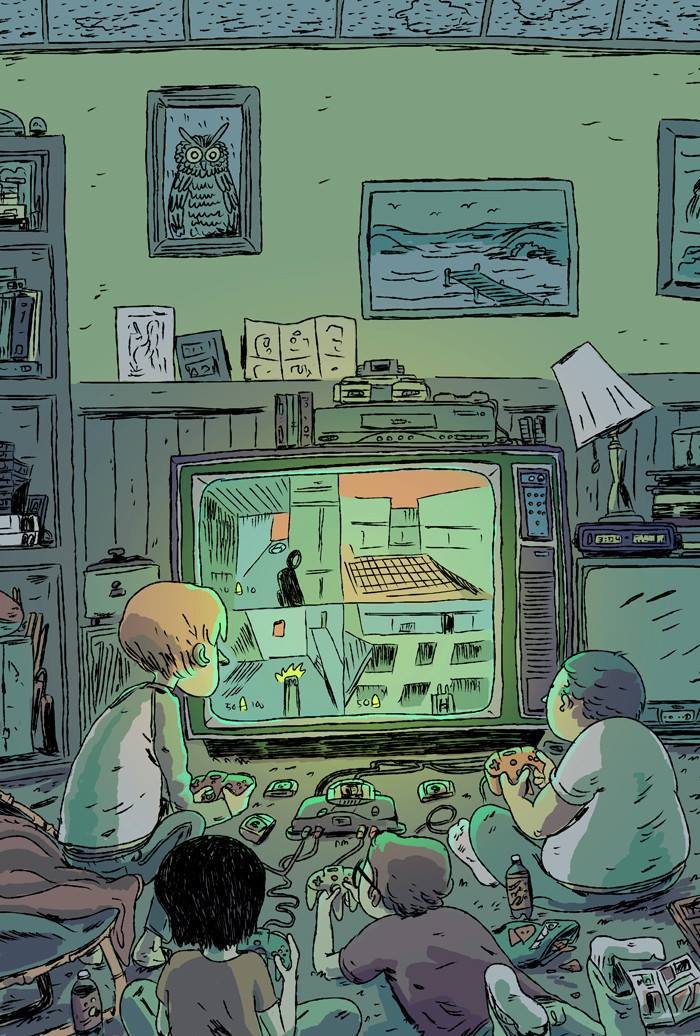
It occurred to me just before I sat down to write that people in my generation are the first to grow up not knowing what life was like before gaming (as we know it) was a thing. Being born between 1984 and 1990 when the NES reigned supreme over the gaming masses, those of us born in this era grew up with names like Mario, Link and Megaman as a constant throughout our lives. Just like us from the past, those born around the 2001 will never know of an age without the name Master Chief in their gaming vernacular. Or kids the were born in the mid-90s never knowing a time before the Internet in every household, or 2007-ish without a smartphone or tablet in your household.
What’s important to remember is that while many game designers were around and developing games while we were growing up, there is a fresh generation of minds that have been exposed to a rich history of game design, good and bad. This might be an incestuous relationship because our ideas tend to be anchored to past experiences so our inspirations are “borrowed” from ideas that we’ve played in the past instead of coming up with something completely original. Regardless, our game-design parents and mentors helped to foster our experiences, our morals, our social dilemmas, our peaks and pits through our gaming experiences. Our games were growing up while we were growing up.
Every one should check out Zac Gormon at http://magicalgametime.com/ His work hits so many feels buttons, it’s not even fair
You turn on Netflix. You see the opening scenes. There’s a hustle-and-bustle going on with the crowd but not a main character to be identifiable yet. The shooting feels clunky. The music has a heavy synth sound in its tones. There’s not a black person in sight, unless it’s the main character or a homeless person in the movie. You have the suspicion that you’re watching an 80s movie or an early 90s movie.
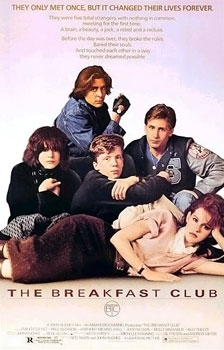
We can pull what movies feel like a period-movie with only a few moments of watching a scene. For the current generation of young adults, it’s almost instinctual to know when many movies were created because of the tropes that these movies execute. Group of misfits learns to come together? Is it in a high school or outside of it? Is the hair outrageous? What about the Clothing? If you answer yes to all but the clothing, then the movie is probably a John Hughes movie and you’re probably watching the Breakfast Club, let’s be honest. The point is that what are the tropes that will define the movies that we watch today?
Game Idea: Draw your enemies away – RTS (Wii U Pad)
The Game:
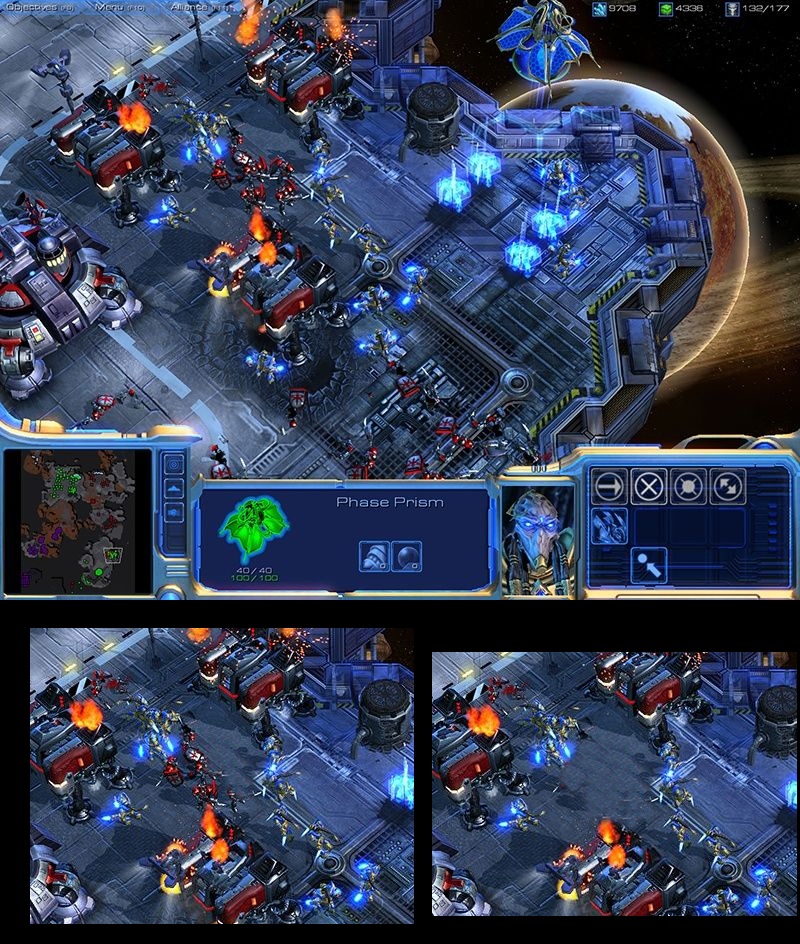
The idea is this: you’re doing the standard “make + build + kill” deployable units thing that Real-Time-Strategy games do (RTS) or even TTS (Turn-based Strategy games. To make things interesting you have a “draw”-ability that is limited use per game, but it allows you to set the stage in your favor when you’re on the offense or defense.











 GameIntrospection